
By SAB | SW Consulting Sr Strategic Advisor | International Market & Channel Strategy | HNW & UHNW Transnational Asset Advisory
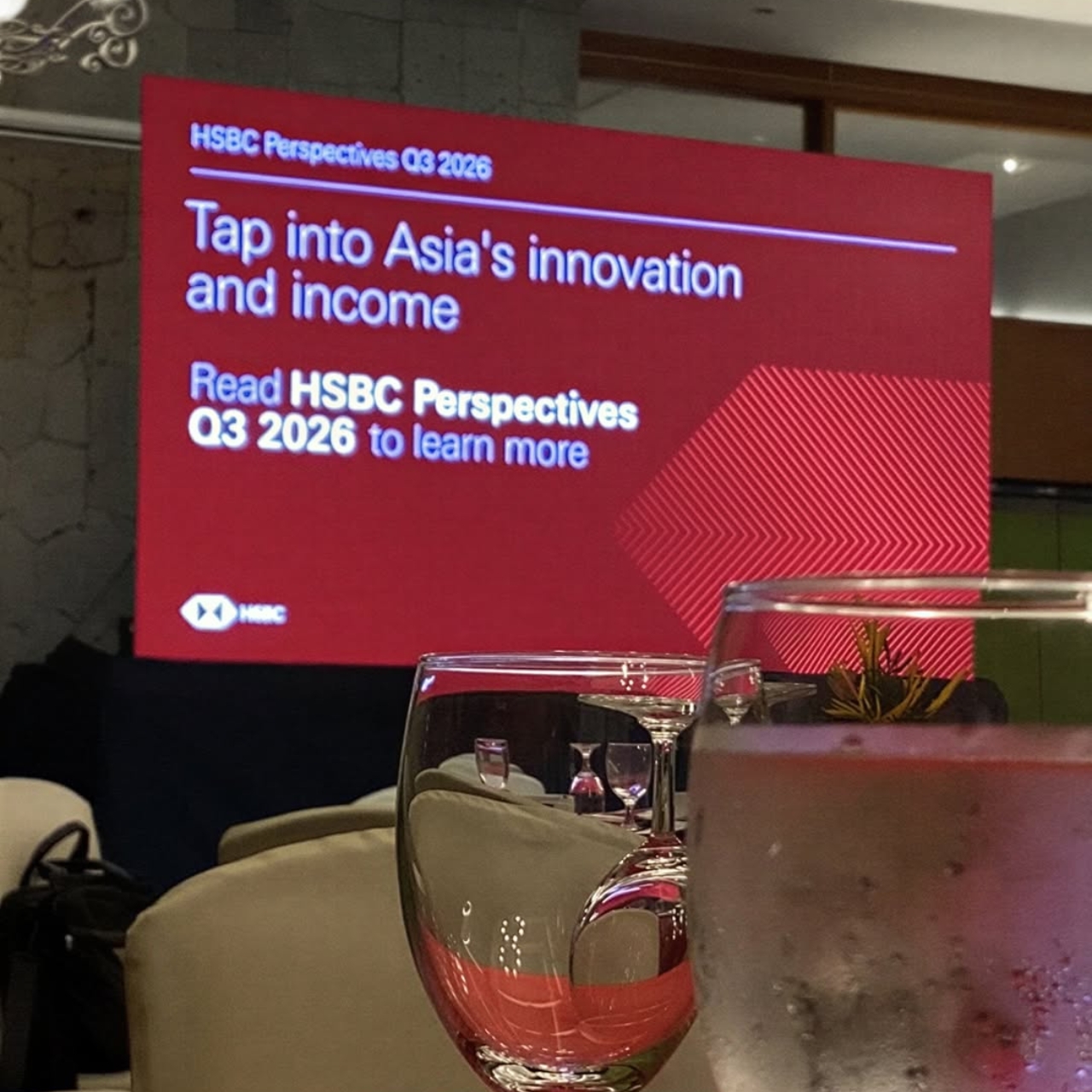
The Village Country Club, in partnership with HSBC, recently hosted an Economic Briefing featuring an exceptional panel of global market experts. Having analyzed economic trends across key Asian hubs—including Singapore, Hong Kong, China, and the Philippines—the speakers brought incredible depth and real-time regional perspective to the room.
Expertly moderated by Rico Hizon, the event drew a vibrant, forward-thinking audience of young club members and leaders eager to understand where the market is headed.
If you look closely at how markets move, the most significant changes rarely happen with a bang. They show up as subtle shifts under the surface—quiet adjustments in regional capital, minor realignments in supply chains, and gradual pressure on local costs.
In our Shifts & Signals series, the goal isn’t to inundate you with complex charts or rehash mainstream economic headlines. It is to step back, look at the subtext of regional transformations, and translate macro dynamics into practical, forward-looking strategy.
3 Macro Signals Shaping Our Region Right Now
When we look beyond short-term market fluctuations across Asia and global trade corridors, three core themes emerge:
1. Industrial Capacity vs. Headline Investment
It is easy to focus on massive investment announcements and tech expansion figures. But capital commitment on paper is very different from operational capacity on the ground. Strategic clarity comes from understanding the actual timelines required to turn capital into capability—and spotting where execution gaps will naturally occur.
2. Supply Chain Dependencies and Inflation Vulnerability
Regional trade paths are quietly being redrawn. For organizations operating across Southeast Asia, resilience depends heavily on mapping cross-border input reliance—whether in agricultural inputs, energy, or tech hardware. Knowing where your dependencies lie allows you to prepare for cost waves long before they reach local price tags.
3. The Ripple Effect of Energy & Commodity Shocks
Global markets do not operate in silos. A pinch in energy, global freight, or fertilizer pricing anywhere in the world creates a direct ripple effect across domestic food prices, core inflation, and consumer spending power. Leaders who trace these connections early can adjust their operational models proactively rather than reactively.
The Strategic Imperative
Navigating a shifting economic landscape isn’t about collecting more data; it’s about developing better vision.
When executive boards focus purely on yesterday’s performance metrics, they miss the early indicators that dictate tomorrow’s cost structures and growth opportunities. By learning to read the subtext behind regional economic movements, you position your organization not just to navigate change, but to lead through it with confidence.
As you look at your growth plans for the coming year, are your strategic assumptions based on surface-level trends, or are they aligned with the deeper signals driving regional transformation?
Comments are closed